Lasso Lore: A Wild West-Inspired Script Font for Editorial Projects
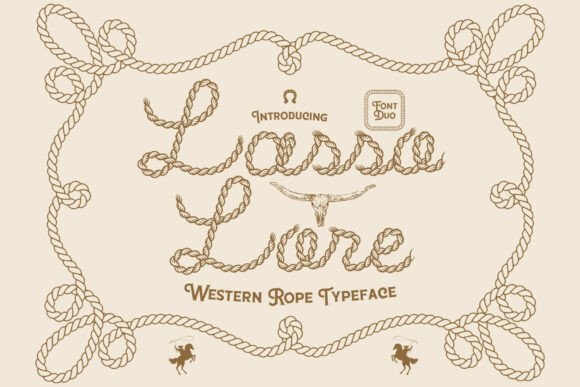
When I first saw Lasso Lore, a bold and adventurous rope-inspired typeface that captures the grit, charm, and spirit of the Wild West, I knew it had the potential to bring a unique character to any editorial layout. As someone who regularly works on lifestyle blogs and digital magazines, finding a Script Handwritten font that feels both authentic and readable is a rare find. Lasso Lore stands out with its carefully crafted curves and twists, mimicking the rhythm of real cowboy lari, making it ideal for projects that need a touch of rugged elegance.
Lasso Lore for Lifestyle Blog Headers and Digital Magazines
Using Lasso Lore in a blog header instantly adds a sense of adventure and personality. For a recent redesign of a travel lifestyle blog, I paired it with a clean sans serif font for body text, creating a visual contrast that guided readers’ eyes from the title to the content. The Fonts used here weren’t just decorative; they played a role in setting the tone for the entire publication. Lasso Lore’s handwritten feel made the blog feel more personal, like a letter from a friend sharing stories from the road.
For digital magazine layouts, I found that using Lasso Lore for chapter openers and pull quotes added a dynamic energy. It didn’t overpower the design but instead brought warmth and character to each section. The font’s rhythm allowed for smooth transitions between sections, helping maintain a consistent mood throughout the issue.
Lasso Lore in Recipe Ebooks and Wedding Guides
In an ebook focused on rustic recipes, Lasso Lore was a perfect match for the title page and section headers. Its handcrafted appearance complemented the theme of home-cooked meals and family traditions. The Script Handwritten style felt natural when used for ingredient lists and recipe names, adding a sense of authenticity that readers appreciated.
Similarly, for a wedding guide, I tested Lasso Lore as the main font for event titles and invitations. It gave the guide a vintage charm without being too ornate. The font’s readability on screen and in print was impressive, especially when scaled down for smaller elements like captions or dates. It wasn’t the best choice for long-form content, but it worked beautifully as a decorative accent that elevated the overall brand identity.
Lasso Lore for Newsletter Graphics and Printable Planners
In a recent newsletter redesign, I used Lasso Lore for the headline and featured graphic titles. The Fonts brought a sense of playfulness that matched the newsletter’s casual tone. Pairing it with a modern sans serif font for the body text created a balanced look that was easy on the eyes. Readers responded positively, noting that the typography made the content feel more engaging and approachable.
For a printable planner project, I experimented with Lasso Lore for weekly headers and motivational quotes. It added a unique flair that set the planner apart from other products on the market. However, I made sure not to use it for daily entries, where legibility was key. Instead, it served as a visual anchor, reinforcing the planner’s theme of living life with purpose and passion.
Readability Considerations and Practical Font Pairing
While Lasso Lore excels in display settings, it’s important to consider its use in longer reading formats. As a Script Handwritten font, it’s better suited for headlines, pull quotes, and decorative accents rather than dense paragraphs or small captions. For body copy, pairing it with a more traditional serif or sans serif font ensures clarity and accessibility across devices and platforms.
I recommend testing Lasso Lore with different weights and alternates to see how it performs in various contexts. Checking for multilingual support and commercial licensing is also essential, especially if you plan to use it in paid newsletters, client publications, or digital downloads. The font’s versatility makes it a great addition to any designer’s toolkit, but knowing its strengths and limitations will help you make the most of it in your projects.